The Great Stay: How to Build Loyalty Before the Market Shifts

A Wake-Up Call for Employee Engagement
Today’s workforce looks a lot different than it did just a few years ago. With slow GDP growth, lower consumer confidence, and widespread uncertainty around labor regulations and workplace policies, such as shifting rules on remote work, layoffs, and benefits, more employees are choosing to stay put in their current jobs to avoid the risks of changing employers in an unpredictable environment. This shift, dubbed “The Great Stay,” marks a big change from the wave of resignations we saw not long ago. But here’s the catch: just because people are staying doesn’t mean they’re engaged. And that’s where things can get tricky.
At first look, longer tenure might seem like a win. But if employees are staying without feeling committed or connected to their work, the risks are real: burnout, stagnation, and declining productivity. That’s why measuring employee commitment, not just retention, is essential. When was the last time you measured it? Employers that invest in engagement strategies build more resilient, high-performing teams. The American Psychological Association’s 2025 Work in America Survey 1 links employee engagement and psychological well-being to higher job satisfaction, stronger mental health, and better workplace performance.
Why Do Employees Choose to Stay?
So, what’s really going on? Many employees stay in their roles not because they’re thrilled, but because they’re cautious. With layoffs on the rise and fewer job openings, people now choose security over satisfaction. That creates a strange paradox: longer tenure, but lower morale. And when morale drops, so does performance. Employees who disengage often check out, avoid collaboration, resist change, and quietly do the bare minimum.
Engagement is essential to keep employees energized, motivated, and aligned with the organization’s mission.
What Does Engagement Really Mean?
Employee engagement is more than job satisfaction. It’s about how emotionally connected people feel to their work, their team, and your organization’s goals. Here’s the good news: investing in engagement pays off. Engaged employees take initiative, go above and beyond, and advocate for your brand. On the flip side, disengaged employees can drag down performance and cost you big. According to the Human Resource Development Review, over 70 percent of the workforce is either passively or actively disengaged, creating a serious financial burden for businesses.
Here’s the good news: investing in engagement pays off. Engaged employees are up to 21 percent more productive, more committed to their roles, and more likely to solve problems proactively. And when people stay longer, you save on the high costs of hiring and training. Replacing just one employee can cost 1.5 to 2 times their annual salary. Plus, employers with strong engagement see 10 percent higher customer satisfaction and 20 percent higher sales. These teams are more innovative, collaborative, and ready to adapt: exactly what you need in today’s fast-moving world.
How to Keep Engagement High
To increase engagement now, start with these proven strategies:
- Invest in career growth through learning and development programs, clear career paths, and mentorship opportunities.
- Foster a culture of recognition with simple thank-you’s and public acknowledgments.
- Prioritize manager training to equip leaders with the skills to give effective feedback
and lead with empathy. - Help employees connect their daily tasks to the organization’s larger mission.
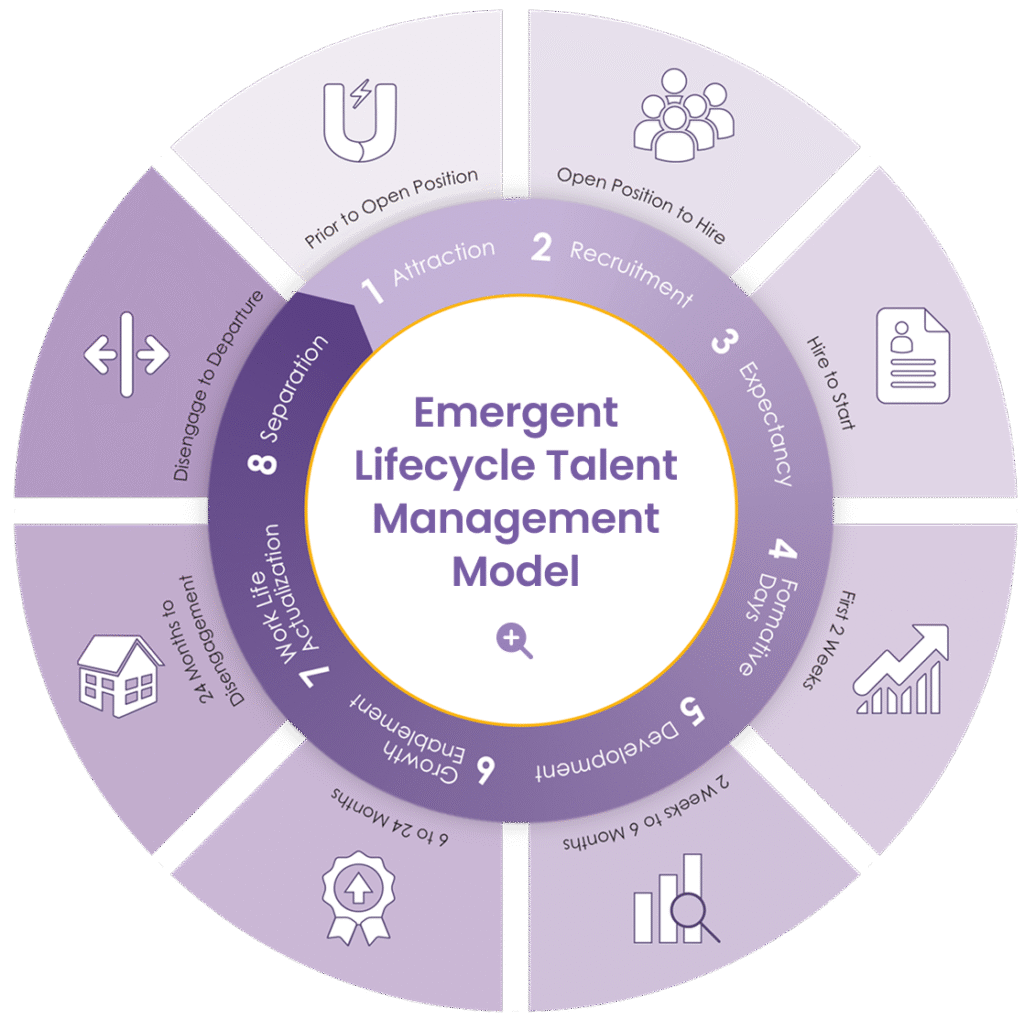
- Use pulse surveys, one-on-one meetings between managers and employee, and feedback loops to uncover what employees need and take visible action. Feedback loops are structured processes where employee input is collected, acted on, and followed up, so staff see their feedback lead to change. Retensa’s Employee Lifecycle Survey helps employers close this loop and strengthen commitment.
Why Stay Interviews Work
One of the smartest tools in your engagement toolkit? Stay Interviews. These proactive conversations help you uncover what’s working, what’s not, and what might cause someone to leave. Unlike exit interviews, when employees have already quit, stay interviews give you a chance to make changes before it’s a problem. They also show employees that their voices matter. When you regularly collect and act on this feedback, you build a culture of trust, responsiveness, and continuous improvement.
Engagement is Your Competitive Edge
In today’s cautious job market, engagement is your edge. Employers that invest in their people now will be better equipped to retain top talent, navigate change, and outperform the competition. And as AI and automation take over routine tasks, human engagement becomes even more valuable. Technology can handle the work, but only people can bring creativity, empathy, and innovation to the table.
Final Thoughts
Today’s workforce has settled into a new rhythm. Employees stay longer, but their expectations are evolving. Engagement is the bridge between retention and performance. It’s what turns a team that’s just showing up into one that’s thriving. Don’t mistake presence for commitment. With the right strategies, you can turn this moment into a powerful opportunity to build a more motivated, resilient, and high-performing workforce.
Employee Retention Idea:
Employers can strengthen employee commitment by investing in engagement strategies like career development, manager training, and recognition programs. Use Stay Interviews to understand what employees value in their roles and uncover the early signs of quiet quitting before performance declines.